Baked goods such as bread, muffins, and cookies are staples in many American households, yet they often lose their freshness faster than expected. Understanding the factors that cause staling and spoilage is the first step toward extending their usable life. This article outlines practical storage methods, from wrapping techniques to freezer options, that can help reduce waste and maintain quality.
Staling is a natural process driven by starch retrogradation and moisture migration. Temperature, humidity, and air exposure all play a role. By controlling these variables, it is possible to slow down the decline in texture and flavor. The methods described here are based on general food science principles and can be adapted to different types of baked goods and household conditions.
Whether you bake at home or purchase from a local bakery, the way you store your goods immediately after they cool can significantly influence their shelf life. The following sections provide a systematic overview of storage approaches for bread, muffins, and cookies, with an emphasis on transparency and methodology rather than guaranteed outcomes.
Understanding Staling and Spoilage
Staling is primarily caused by the rearrangement of starch molecules, which leads to a firmer texture and drier mouthfeel. This process begins as soon as baked goods cool and is accelerated by exposure to air and low temperatures. Moisture loss also contributes to staling, as water evaporates from the crumb and migrates to the crust. In addition to staling, microbial spoilage—such as mold growth—can occur under conditions of high humidity and warmth. Recognizing these mechanisms helps in selecting appropriate storage strategies.
The rate of staling varies by product type. Breads with a lean dough, such as baguettes, stale faster than enriched breads that contain fats and sugars. Muffins and cookies, with their higher fat and sugar content, may retain moisture longer but are still susceptible to drying out. Temperature is a critical factor: refrigeration, for instance, can accelerate staling in bread due to starch retrogradation at low temperatures, while freezing effectively pauses the process.
It is important to note that no storage method can indefinitely preserve baked goods. The goal is to slow degradation and maintain acceptable quality for a longer period. Factors such as initial freshness, ingredient composition, and environmental conditions all influence outcomes. Therefore, the following recommendations should be viewed as general guidelines rather than strict rules.
Storage Methods for Bread
Bread is one of the most challenging baked goods to store due to its large surface area and susceptibility to staling. The ideal storage environment is one that is cool, dry, and away from direct sunlight. For short-term storage (up to two days), keeping bread in a paper bag at room temperature can work well, as paper allows some airflow while preventing excessive drying. However, paper bags offer limited protection against moisture loss over longer periods.
For extended shelf life, wrapping bread tightly in plastic wrap or aluminum foil can help retain moisture. Plastic wrap creates a barrier that reduces air exchange, but it may trap moisture and promote mold growth if the bread is stored before it has fully cooled. Aluminum foil is effective at blocking light and air, but it can also trap moisture. A combination approach—wrapping in paper then placing in a plastic bag—can balance breathability and moisture retention, though results depend on the specific bread and climate.
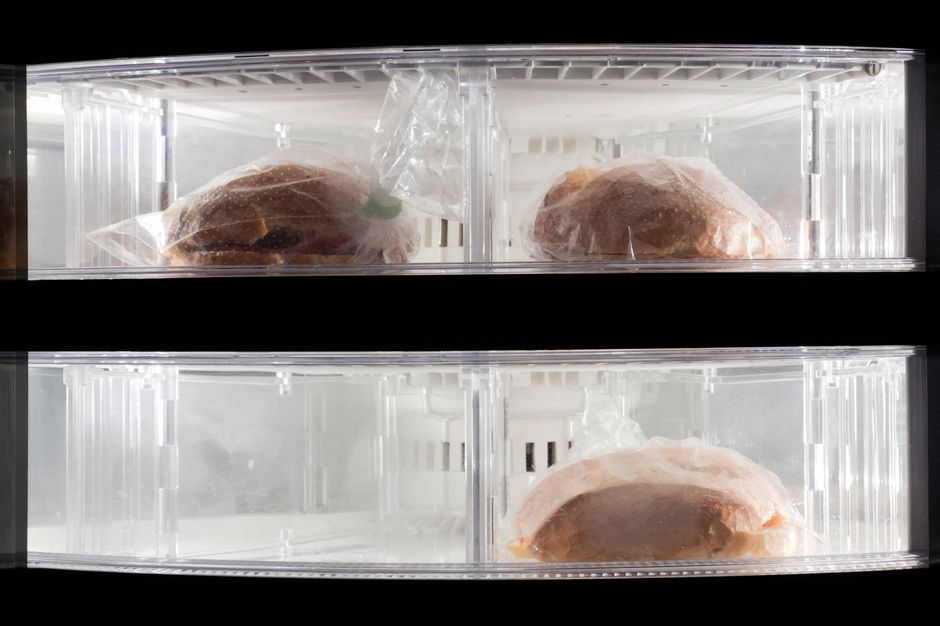
Freezing is a highly effective method for long-term storage. Sliced bread can be frozen in a resealable freezer bag or wrapped tightly in foil, then placed in a freezer-safe container. Freezing pauses staling, and when needed, individual slices can be thawed or toasted directly. It is advisable to remove as much air as possible from the packaging to prevent freezer burn. Properly wrapped frozen bread can maintain quality for several months, though flavor and texture may gradually decline.
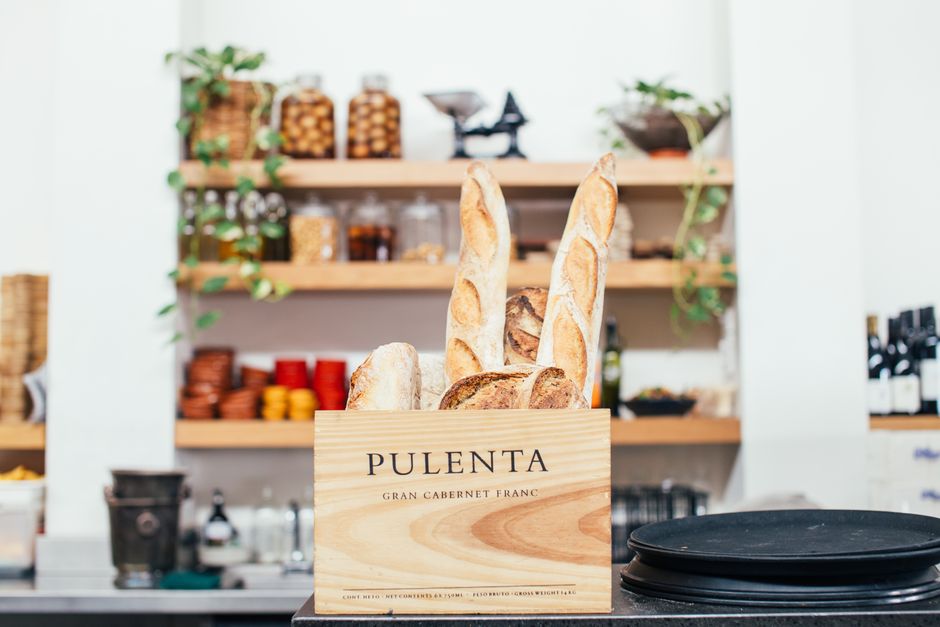
For artisan breads with a crusty exterior, storing in a paper bag at room temperature helps maintain crust texture for a day or two. To revive a stale loaf, briefly moistening the crust and reheating in an oven may temporarily improve texture, but this is not a substitute for proper storage. Always allow bread to cool completely before storing to prevent condensation and mold.
Storing Muffins and Cookies
Muffins and cookies have different storage requirements due to their composition. Muffins, being moist and dense, are prone to mold if stored in an airtight container while still warm. Allowing them to cool completely on a wire rack before storage is essential. Once cooled, muffins can be kept in an airtight container at room temperature for up to two days, or in the refrigerator for up to a week. However, refrigeration may cause them to dry out, so wrapping each muffin individually in plastic wrap before placing in a container can help retain moisture.
Cookies vary widely in texture and shelf life. Crisp cookies, such as shortbread, benefit from storage in an airtight container to maintain crunch. Soft cookies, like chocolate chip, can be stored with a slice of bread to add moisture, though this method may promote mold if left too long. For both types, layering cookies with parchment paper in a container prevents sticking and allows for easy separation. Cookies can also be frozen; place them in a single layer on a baking sheet until solid, then transfer to a freezer bag. Frozen cookies can be thawed at room temperature or enjoyed directly.
It is important to consider that cookies with high moisture content, such as those with fruit fillings, may have a shorter shelf life and are more susceptible to spoilage. In such cases, refrigeration or freezing is advisable. Always label containers with the date of storage to track freshness and avoid unnecessary waste.
Wrapping Techniques and Materials
The choice of wrapping material significantly affects the storage outcome. Plastic wrap, aluminum foil, paper bags, and airtight containers each have distinct properties. Plastic wrap is effective at creating a tight seal but may not be completely airtight unless multiple layers are used. Aluminum foil provides excellent protection against light and air but can be punctured easily. Paper bags allow breathability but offer limited moisture barrier. Airtight containers, such as glass or plastic boxes with locking lids, are ideal for items that require protection from air and moisture, but they can trap ethylene gas from certain fruits if stored together.
When wrapping, it is important to minimize air pockets. For bread, wrapping tightly in plastic then placing in a freezer bag can reduce freezer burn. For muffins, individual wrapping in plastic wrap before placing in a container can prevent them from drying out. For cookies, using parchment paper between layers in an airtight container is a common practice. Additionally, consider using reusable wraps or beeswax-coated cloth as more sustainable alternatives, though their effectiveness may vary.
The location of storage also matters. A cool, dry pantry is generally suitable for short-term storage, while a refrigerator can extend shelf life for some items but may negatively affect others. Freezers should be set at 0°F (-18°C) or below for optimal preservation. Regularly checking stored goods for signs of mold or staleness allows for timely consumption or disposal.
Freezing Baked Goods for Long-Term Storage
Freezing is one of the most reliable methods for extending the life of baked goods. The key is to freeze items as quickly as possible to minimize ice crystal formation, which can damage texture. Before freezing, ensure baked goods are completely cooled. Wrap items tightly in plastic wrap or foil, then place in a freezer bag or airtight container. Remove as much air as possible from bags to prevent freezer burn. Label with the date and contents.
Different baked goods have different recommended freezing times. Bread can be frozen for up to three months; muffins for two to three months; and cookies for up to six months. Thawing should be done gradually—either in the refrigerator overnight or at room temperature. For bread, reheating in an oven can help restore crustiness. It is important to note that freezing does not improve quality; it merely preserves the current state. Therefore, starting with fresh, high-quality baked goods yields better results.
Portioning before freezing can reduce waste. For instance, slicing bread before freezing allows you to take out only what you need. Similarly, freezing muffins and cookies individually on a tray before transferring to a bag prevents them from clumping together. This approach aligns with the principles of portion planning and pantry management, which are central to reducing food waste at home.
While freezing is effective, it is not without limitations. Repeated freeze-thaw cycles can degrade quality, so it is best to freeze items in portions that will be consumed in one sitting. Additionally, some baked goods with delicate textures, such as cream-filled pastries, may not freeze well. In such cases, alternative storage methods or immediate consumption are preferable.
Proper storage is a balance between moisture control, temperature management, and air exposure. No single method works for all baked goods, and outcomes depend on multiple factors including ingredient composition, initial freshness, and environmental conditions.